With the technological revolution, new, more ethical and more reliable research methods are being developed every day, and are already used by numerous companies, organizations and laboratories around the world.
These animal-free experimentation techniques, besides using mathematical and computer models of algorithmic prediction or unprotected lower organisms (bacteria, fungi, protozoa), are based mainly on:
In vitro cultures:
In vitro cultures of cells, tissues and organs obtained from cadavers, biopsies and plastic surgery are used to search for substances and to produce and test various pharmaceutical products such as vaccines, antibiotics and therapeutic proteins.
Comparative studies:
Comparative population studies make it possible to discover common patterns in how diseases or disorders occur, so that they can be prevented.
Epidemiological studies:
Epidemiological studies have led to discoveries such as the link between smoking and cancer, and have shown the transmission mechanism of AIDS and other infectious diseases.
Clinical research:
Trials with human volunteers (in many cases people already affected by an illness who want to help find a cure that benefits everyone) have helped isolate, for example, abnormalities in the brains of patients with schizophrenia or other mental disorders.
There is also already a large number of patented alternative methods with very diverse applications, such as:
- Agarose diffusion test: evaluates the toxicity of plastics and other synthetic materials.
- Mathematical and computer models: predict the irritation potential of substances based on their physical and structural properties.
- EpiDerm: studies of skin irritation and skin absorption, and basic dermatological research in tissue culture.
- EpiOcular: a tissue culture that reproduces the characteristics of the eye's cornea.
- Epipack: uses layers of cloned human cells to predict the reaction to a skin irritant.
- Neutral red uptake assay: a computer analyzes the absorption of neutral red dye by human cells, a measure that correlates with toxicity.
- Transepithelial conductance assay: estimates the irritant potential of substances.
- Corrositex: evaluates the corrosivity or causticity of compounds.
- Eytex: uses bean proteins to mimic the reaction of the cornea.
- Skintex: pumpkin pulp simulates the reaction of human skin.
- Testskin: a human skin culture is used to measure irritation.
- Topkat: software that measures toxicity, mutagenicity, carcinogenicity and teratogenicity.
- Ames test: a test to detect carcinogens using a culture of Salmonella typhimurium
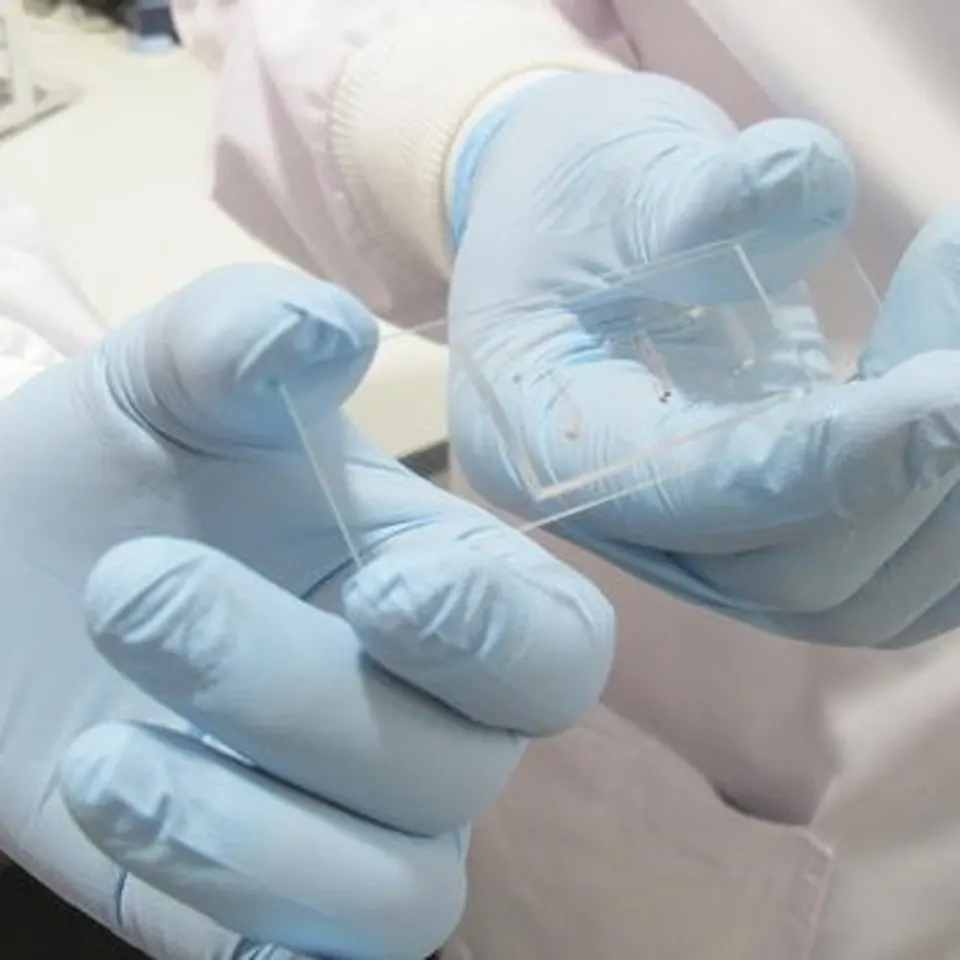
There is currently a research project underway that will develop transparent silicone microchips containing living human tissue and pumps to replicate the functions of organs, offering faster, more cost-effective and more accurate results for testing diseases, toxins and drugs. This "organs-on-chips" project holds great promise not only for the scientific community but also for all the people and organizations who want an end to animal experimentation.
Francisco Garrido, professor of Bioethics at the University of Jaén, states that "animal experimentation, besides being scientifically unreliable, is ethically unacceptable," and asserts that banning it would pose no scientific or economic problems.
Animal experimentation claims that the animals used in trials are similar enough to us that the results of the experiments they are subjected to can be extrapolated to the human species. If they are so similar to us, then in justice they deserve the same consideration we do and should be protected as our equals.
We should seriously ask ourselves the following question: why must we keep sacrificing animal lives when using alternatives is not only possible, but a moral imperative?